
Reflections on World Press Photo: Empowering African Photographers
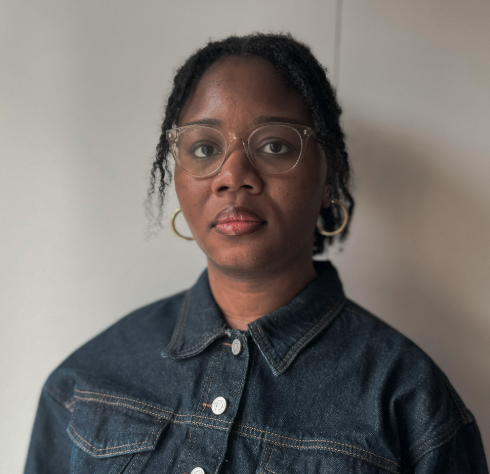
Tsvangirayi Mukwazhi: Excellence First, Always
My experience as a jury member was more than a professional milestone. It opened my eyes to the challenges African photographers face in telling their stories on their own terms.
One of the most difficult tensions I faced as a judge was weighing the importance of representation against the strength of the work itself. I wanted to see a local photographer win. Representation matters. But in the end, the deciding factor had to be the quality of the storytelling and the visual execution. Diversity is essential, but it cannot replace excellence. We owe it to every entrant, especially those from underrepresented backgrounds, to apply rigorous, fair, and consistent standards across the board.
The truth is, countless powerful stories are waiting to be told across the African continent. Sadly, they are not always told best by African photographers. Too often, we lack the visual literacy and critical feedback needed to sharpen our storytelling.
The Need for Growth and Community Support
What is urgently needed is space for growth through regular critique sessions, whether virtual or in person. These sessions can push us to develop our eye and refine our craft. While there are brilliant African photographers breaking through internationally, we still lack a thriving, sustainable photography culture that nurtures future generations. Building that culture takes dedication, investment, and community.
One of the most striking moments during judging came when I voted to advance a powerful photo story. I was sure it was the work of a local photographer I had been following for some time. The visual style felt familiar, more refined, and more confident. But in the next round, when the photographers’ names and nationalities were revealed, I was surprised to learn the story had been created by a Western photographer. I later contacted the local photographer I had in mind. “Yes,” he told me, “I worked on that story as his fixer.”
That response floored me.
A story this photographer had spent years pursuing was captured by someone else, someone with access to tools, funding, and platforms that made the work globally visible. Unfortunately, this isn’t a one-off story. It speaks to a wider pattern of stagnation for African photographers, often shaped by systemic inequalities.
Addressing Systemic Inequalities
We cannot overlook how poverty, historical inequalities, and neo-colonial dynamics continue to affect the visibility of African photographers. Western photographers often arrive with top-tier equipment, ample resources, and the ability to hire local fixers who guide them into communities and spaces that might otherwise remain inaccessible. Too often, we share our cultural insights and grant access to sacred places not out of a shared love of storytelling, but because we need to earn a living. In the process, African voices are sidelined.
The winners are rarely us.
Between 1990 and 2019, only about 3% of award placements were won by African photographers, compared to 52% from Europe and 30% from North America. Thankfully, in recent years, the World Press Photo Foundation has acknowledged this imbalance and taken meaningful steps to address it, including adopting a regional judging system in 2022.
But structural change takes time, and we must meet it halfway. We must protect our stories and equip ourselves with the tools—through mentorship, education, and collaboration—to tell them with impact and integrity. Those who document our realities must do so with respect, care, and cultural understanding.

Anne Nwakalor: Advice for African Photographers
I echo everything Tsvangirayi has said; he articulated it so powerfully. For me, being on the Africa Jury was a monumental moment in my career. I went from spending hours as a student flipping through old World Press Photo catalogues in my university library to sitting on the jury selecting this year’s winners. It was an incredible honour.
But alongside the joy, I felt a sadness.
African photographers still face barriers when it comes to occupying global platforms where their work should be celebrated and recognised more often. This isn’t to diminish the achievements of those who won in the Africa category. Each winner deserved their recognition. Their work was outstanding. But as a writer and curator who champions ethical storytelling and advocates for African photographers to lead in reshaping our narratives, I can’t help but wonder why we are still trailing behind when it comes to visibility on a global stage.
Instead of repeating everything Tsvangirayi said, I’ll leave you with some practical advice for those applying next year:
1. Refine Your Edit
We saw several submissions with great potential, but they didn’t progress because the edit was weak. Don’t oversaturate your submission with repetitive images. Curate your selection carefully. Each photograph should advance the story. Think of your sequence as having a beginning, middle, and end. Include a mix of wide establishing frames, medium shots, close-ups, portraits, and detail shots to create a complete narrative. If you’re unsure, ask a fellow photographer to help you edit your selection.
2. Learn to Write About Your Work
A compelling title and clear narrative can make a huge difference. Avoid filler information that doesn’t serve the story. Your written statement should clearly communicate what you are trying to say with your images. Often, a well-written project description is the difference between making it to the next round or not.
3. Focus on Composition, Not Gear
You don’t need the most expensive camera to make impactful work. What matters is your understanding of light, composition, and timing. A powerful example of this is Mosab Bassam Abushama's image titled Life Won’t Stop. He took the image on a phone, something I didn’t realise until I saw the exhibition caption in Amsterdam. The visual power of the frame, the composition, the colours, and the moment made the image memorable, not the device it was shot on.
4. Tell Stories Authentically
Be inspired by photographers you admire, but don’t copy them. Ask yourself, how can I tell this story in a way that feels authentic to me and draws viewers in? A great example is Temiloluwa Johnson’s winning single image, Mother Moves, House Approves. She didn’t just photograph a topic; she immersed herself in the community, gained access to private spaces, and spent time with her sitters. That’s what allowed her to create a striking, intimate image that offered a rare glimpse into a world many of us have never seen.
5. Embrace the Power of Community
As we navigate this journey, let’s remember the strength of our community. Sharing experiences, challenges, and successes can foster growth. Attend workshops, engage in discussions, and collaborate with fellow photographers. The more we support each other, the stronger our collective voice becomes.
6. Stay Informed and Engaged
Keep an eye on industry trends and developments. Follow platforms that celebrate African photography and engage with contemporary discussions. Being informed can help you adapt and innovate in your work.
I hope these reflections help you as you prepare your entries. You can also check out some of the articles we’ve published in No! Wahala Magazine about writing your project statements and telling stories ethically. World Press Photo usually offers free advice-giving sessions during the competition period, so be sure to attend some of those as well.
We African photographers are making strides in telling our own stories instead of having them told for us. But we still have a way to go. With continued dedication, community support, and a commitment to excellence, we’ll get there.
Looking Ahead: Future Opportunities for Growth
Regarding the need for training and development for African photographers, keep your eyes peeled for a special announcement coming soon. Until then, here are some articles you might find helpful:


Comments